


PROPER SWIM ATTIRE (AGES 3+) What to Wear? Good Question!
July 9, 2025
Toddler Swimming Lessons: Building Confidence in the Water
July 29, 2025
Swimming Dos and Don’ts: Your Guide to Safe Water Fun
At La Petite Baleen Swim Schools, we believe that good swimming habits start early. But whether you’re diving into a pool for the first time or perfecting your backstroke, safety should be a priority. We teach swimmers of all ages on the importance of water safety and proper technique. When you understand the dos and don’ts of swimming, you can confidently enjoy the water.
Best Practices for Swimmers of All Ages
Safety isn’t just about following the rules. It’s about creating habits that become second nature. Every swimming lesson we teach includes these fundamental principles because they can prevent accidents and make swimming more enjoyable for everyone:
Wear the Right Safety Gear
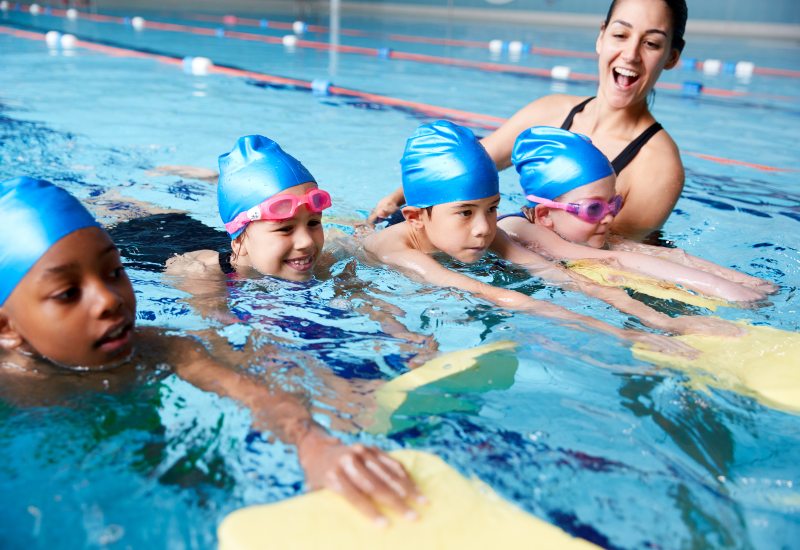
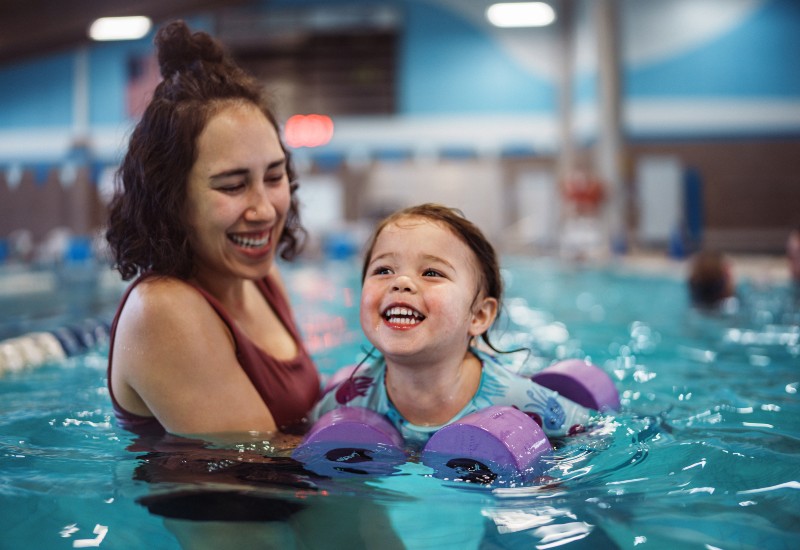
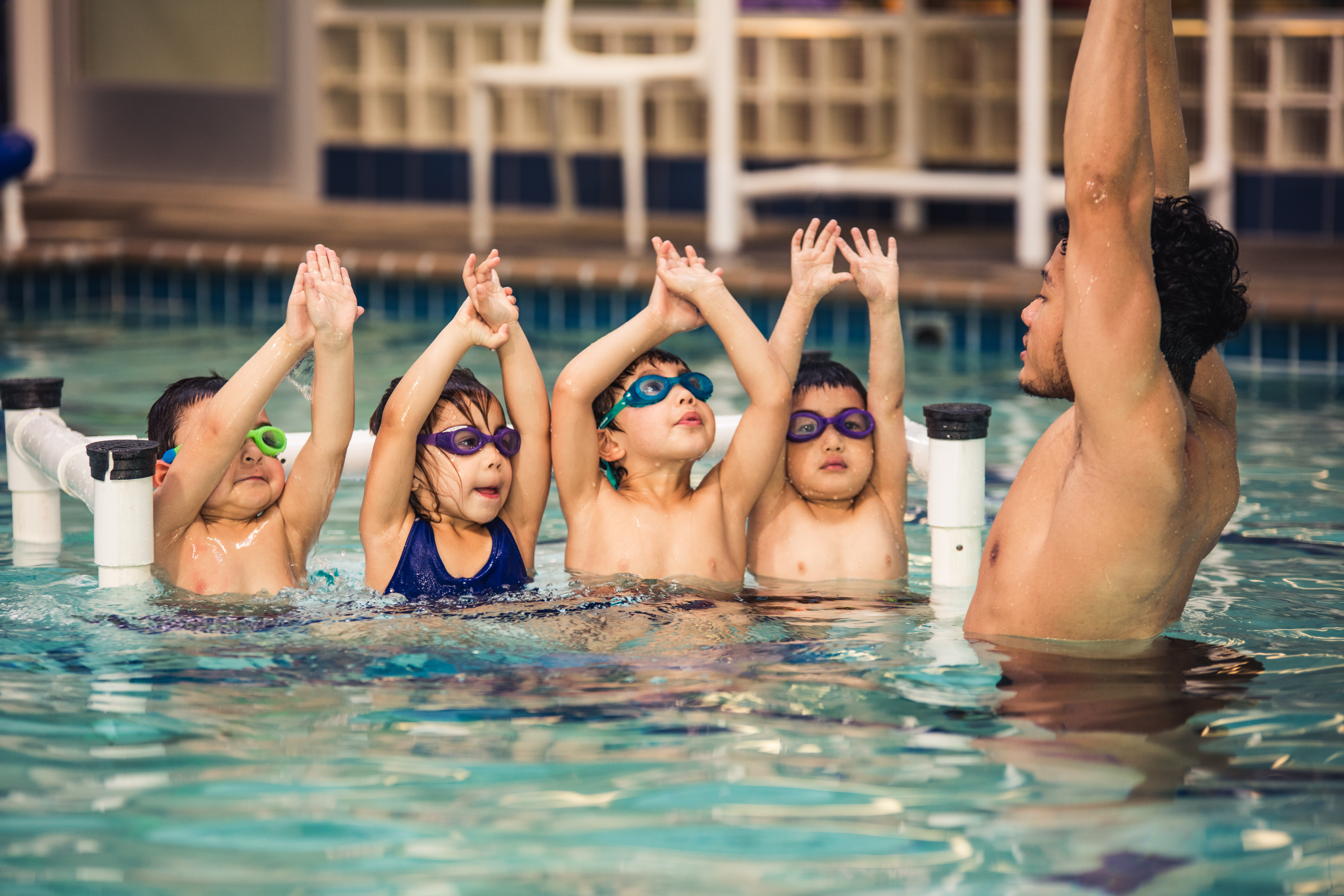
The right equipment makes all the difference. Goggles protect your eyes from chlorine and help you see clearly underwater. Flotation devices provide extra security. However, choose age-appropriate gear. Arm floaties might seem helpful, but they can create a false sense of security. Life jackets offer better protection for new swimmers.
Don’t Swim Immediately After Eating
Swimming immediately after eating can cause cramps and discomfort. Wait at least 30 minutes after a light snack or one hour after a full meal before entering the water. This waiting period allows your body to digest food properly. When you swim too soon after eating, your body divides its energy between digestion and swimming, which can lead to fatigue.
Always Swim With a Buddy
Never swim alone. Having a buddy nearby means someone can help if anything goes wrong. Even experienced swimmers should follow this rule. Accidents can happen to anyone, regardless of skill level.
Choose a swimming partner who knows your abilities and limitations. If you’re taking adult swimming lessons, practice with a classmate or teacher nearby.
Frequently Asked Questions
Our expert staff is always available to answer questions about swim lessons and swim safety. Among the most frequently asked questions about dos and don’ts in swimming are:
Should We Prioritize Safe Swim Lessons?
Absolutely. Safe swim lessons teach proper technique while emphasizing water safety. Professional swim teachers know how to balance skill development with safety awareness. They can spot potential problems before they become dangerous situations.
What Is the “Safer 3” Approach to Water Safety?
The “Safer 3” approach focuses on three key elements: supervision, barriers, and emergency preparedness. Always have a responsible adult watching swimmers, maintain physical barriers around pools, and keep emergency equipment nearby.
What Flotation Gear is Appropriate for Toddlers?
Coast Guard-approved life jackets are the safest choice for toddlers. Avoid inflatable arm bands or pool noodles as primary safety devices. These items can slip off or deflate.
Should Parents Join Babies in the Pool During Lessons?
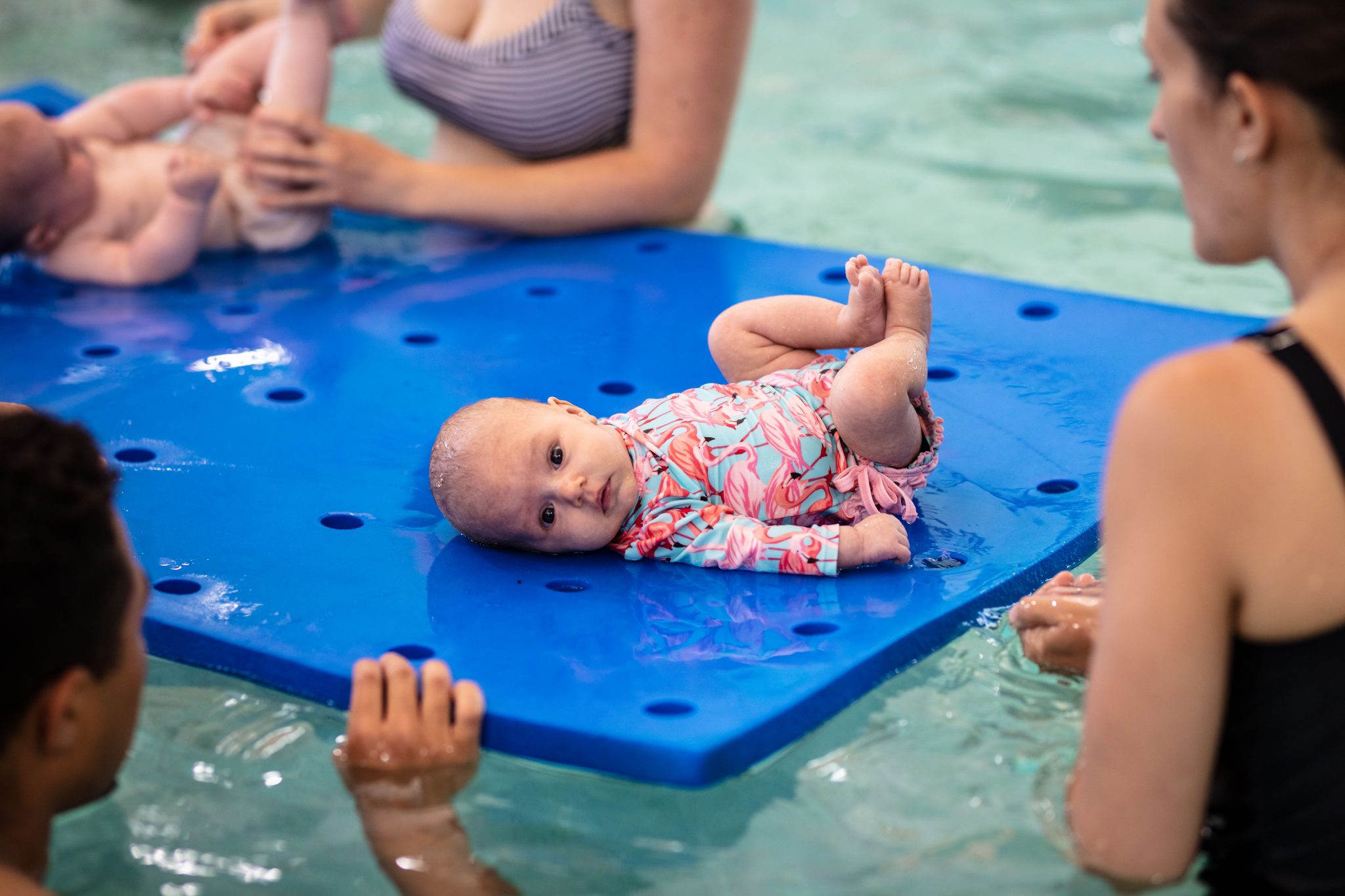
Yes. Parent participation in baby or child swim lessons creates bonding opportunities and helps youngsters feel safe. Parents can provide immediate comfort and support while their children learn basic water skills.
How Can I Help My Child Overcome a Fear of Water?
Start slowly with shallow water and fun activities. Never force a fearful child into deep water. Use toys, games, and positive reinforcement to make water experiences enjoyable. You may also consider professional swimming lessons designed for anxious children.
Contact La Petite Baleen Swim Schools for Swimming Lessons Today
La Petite Baleen Swim Schools offers comprehensive swim lessons for all ages and skill levels. We combine safety education with effective swimming instruction in a supportive environment where everyone can learn at their own pace. Contact us today to schedule your first lesson.